
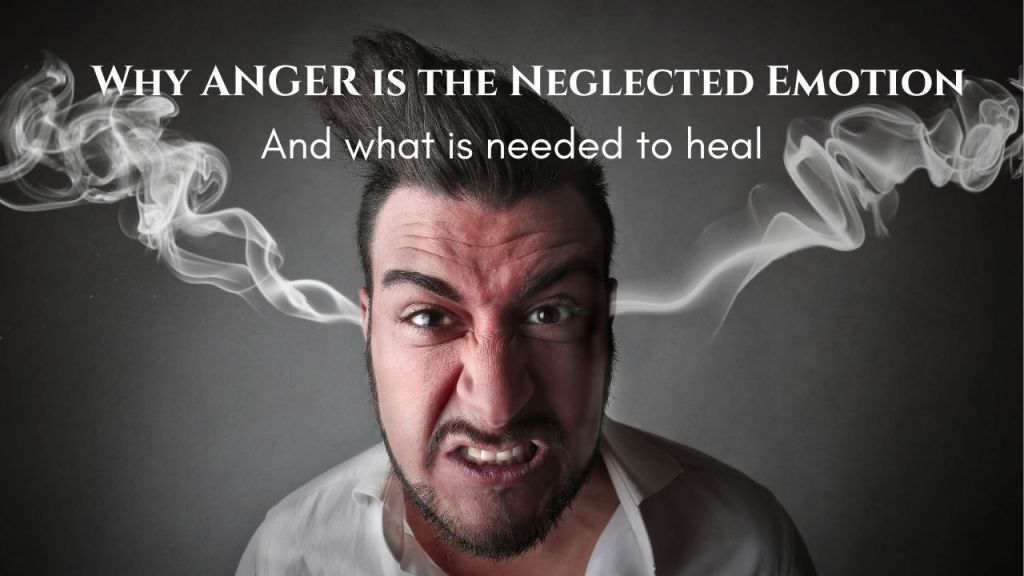
Anger is like a big brother, and in the family of emotions, the big brother is the one that steps into defend should any threat be brought to his tittle brother. This big brother ‘Anger’ takes no shit from any one, and he will do whatever it takes to protect his little brother ‘Sadness’.
Most people are challenged by the emotions of others. And for some people they simply can’t be around someone else’s grief, or worry. It may be that they struggle to feel into their own grief, or maybe they were raised in a home, where the talking and expressing of these emotions were suppressed or never acknowledged. Anger is the emotion that is most neglected, because it is seen as a deficiency in people. But this emotion deserves as much attention as any other emotion, it just needs a container that can hold the space needed to be witnessed and safely released.
Big brother anger sticks up for sadness. It protects sadness, simply because sadness is vulnerable and can’t defend itself. When sadness is given a safe container for expression without judgement, sadness can heal. But if sadness feels threatened, mocked or prodded, anger comes in with aggression or passive aggression to protect sadness from further shame or disappointment.
So what is it about anger, that it is an emotion that sends most that meet it into fight or flight? Many people are okay with holding space for sadness to be expressed and held. But why not anger? Anger is not violent or abusive as such. Just as sadness is the feeling of a sense of loss or regret, anger is simply a feeling of not being heard, seen or understood. And because it is rare for anger to be given a safe container to express itself, violence and abuse can become the next step in trying to get the attention it so craves.
Anger is the neglected emotion, and the irony is, anger is seeded and grows through being ignored, which is neglect. The human being is designed for connection and interaction, and when that need is not met within somebody, sadness will begin to arise in them. If they attempt to express the emotion of sadness, but it is met with resistance from the one that it is being shared with, the sadness will begin to create a buffer around it. The buffer is anger.
Anger can move in two directions. Either into the feminine form of anger, which is passive, in which one builds a wall of protection around the sadness and shuts down from connection because the feeling of the sadness being neglected becomes to much to bare. Melancholy is its expression. Or, anger can move into the masculine form, which is aggression. This is when the fear of the sadness being seen is too much and so one goes on the attack, to keep others at bay. This can come across as grumpiness and a general pessimism towards life.
Then there is complex anger, which builds the walls of self-preservation only to end up too identified and inflicted by the accumulated sadness. Complex anger is when the big brother of sadness comes in revenge. This is known as the complete meltdown.
The meltdown, begins within. The ego first of all begins to tear down the inner protective walls, and becomes self abusive. The anger first abuses the inner sadness that it is identified with, perpetuating an inner hate. The feeling turns up as a racing heart and sick feeling in the gut. The self abuse overwhelms sadness to the point of numbness, and then the ego turns its attention outward, in search of whoever it can blame for this injustice. Now sadness is completely forgotten, and aggressive anger goes into the meltdown of inner conflict to outer conflict.
Those that have a meltdown, are rarely held or understood. Sadly, again, the truth of the matter is being ignored and so, without a safe container in which anger can be expressed, the anger is destined to grow, and even mutate into violence, either to self, other or both. Guilt then comes in, and is amplified when one is judged for being angry. The sadness is further surpassed, and one can end up becoming a prisoner to their own anger.
So what to do with anger? Well anger can only be exhausted through expression. Anger is a byproduct of mental self judgement, and all self judgement is learned through the experience of being judged. Anger can be avoided, only by sadness being held, loved and released. The best way to do so, is for it to be witnessed, as it brings validation to the one feeling the sadness. This is where active listening through counselling or a non-judgemental ear of a parent, friend or spouse can help in dissipating the sadness. If anger is present, it is evidence that sadness did not get the attention and awareness that it needed in order to be witnessed, validated and released.
So that is how anger can be avoided. But what if it is too late and anger has now become the gatekeeper and protector of sadness. Well this is a situation that is more difficult to get help with, because many people don’t have the capacity to hold space for anger to be expressed. The majority of people fear anger because of its association with abuse and violence. But again we all need to be more mature in what is going on here. Anger can be abusive and violent, but generally this outcome is only inevitable when anger has been ignored.
Angers first port call in outward expression is yelling! Why does one yell? Simply because the calm voice is being ignored. Children do this, as they learn very early on in life that yelling gets attention, and attention is all that sadness wants. But if ignored, big brother anger will step in to make sure that attention is given. If the yelling is ignored, this is only fuel for the fire, and depending on how desperate the person feels, physical expression can become the next step.
So it is evident here what is needed for the neglected emotion of anger. It simply needs to stop being neglected. It must be seen and heard, and more than that it needs the permission of a silent witness to create and hold a container that will help to avoid more pain and suffering. How to do this?
It is simple. We all need to simply understand what is needed. But it takes great maturity for one to be a space holder for anger. One that holds a safe container for another to be expressive in their anger, needs to be very grounded and stable. They cannot be one that is offended easily, and they need to have very strong boundaries, whilst continually emanating the frequency of unconditional love, while the one that so desperately needs the release, is allowed to completely fly in their anger.
This practice of holding space must have ground rules, for both the space holder and the aspirant. The space holder is a silent witness, and so, needs to remain silent. It is not for the space holder to go into problem solving around what the aspirant is angry about. Problem solving is an ego trip, and ego will only antagonise anger.
The aspirant that is given permission to go into expressive anger must stick to pre agreed boundaries. They are not to be aggressive or abusive words or actions towards the space holder in any personal way. If it is a relative the space holder may permit the aspirant to even express their anger or frustration about them, but again, there is no need for name calling, blame or violence.
Now it is important to understand, if the aspirant say’s something like “when you ignored me the other day, I got so angry”… this is not blame. This is them speaking their truth. Blame is when someone actually comes strait out and says “it’s all your fault”? Blame is not to be permitted in the safe container, nor should the aspirant spend any amount of time yelling AT the space holder. This is a time for expression of the pure emotion.
One that can hold space for another to express anger, is one that has developed great compassion, because they themself know the pain of carrying anger and sadness within themselves.
Once anger has had its moment in the light, then a beautiful opportunity arises. Sadness begins to come forward, because the container has been proven to be robust and safe. The space holder remains a silent witness as sadness now has its much needed time in the sun. This is the process of healing. It is reverse engineering. Often today, many healers want to get straight to the root of the problem, But this to me makes no sense. It’s like trying to pull the core of an onion without first removing the layers! How can that even be done right.
The problem today is we live in a scroll through society. Instant gratification and ego tripping healers bypassing the process of undoing,(which is true healing) and like a surgeon with no process go for dramatic results over dealing with the immediate, and from there helping the aspirant to journey through the unravelling of conditioning and belief systems they have created in themselves. And then all the way back to the original wound.
In our intimate relationships, we must mature to become space holders of emotional expression. Ignorance is the mother of anger, and avoidance its father. We can only heal the family of relationship by raising our consciousness above the societal structures that negate our feelings, and see the importance of our personal expression, as an opportunity to build solid and lasting relationships, building upon the foundations of unconditional love, openness and and clear boundaries.
May you find that space to release, let go and heal. May you through the process of undoing, learn, and yourself become a silent witness for those that need a safe container. May you find that healing is a journey that all must take. It is the journey of coming home…
Let there be light
Saddhanta
 LIVING ESSENCE